The Engineer Who Picked a Startup That Barely Had a Logo
When I started hiring for Xena, I had a pitch for investors and a pitch for customers. I did not have a pitch for engineers.
This was a problem, because engineers are the only audience that can read your product before you explain it. An investor hears "AI-powered growth platform" and nods. An engineer hears it and asks to see the repo. At the time, the repo was mostly a hope with a README.
So I want to write about the person who joined anyway.
The offer letter I would not have signed
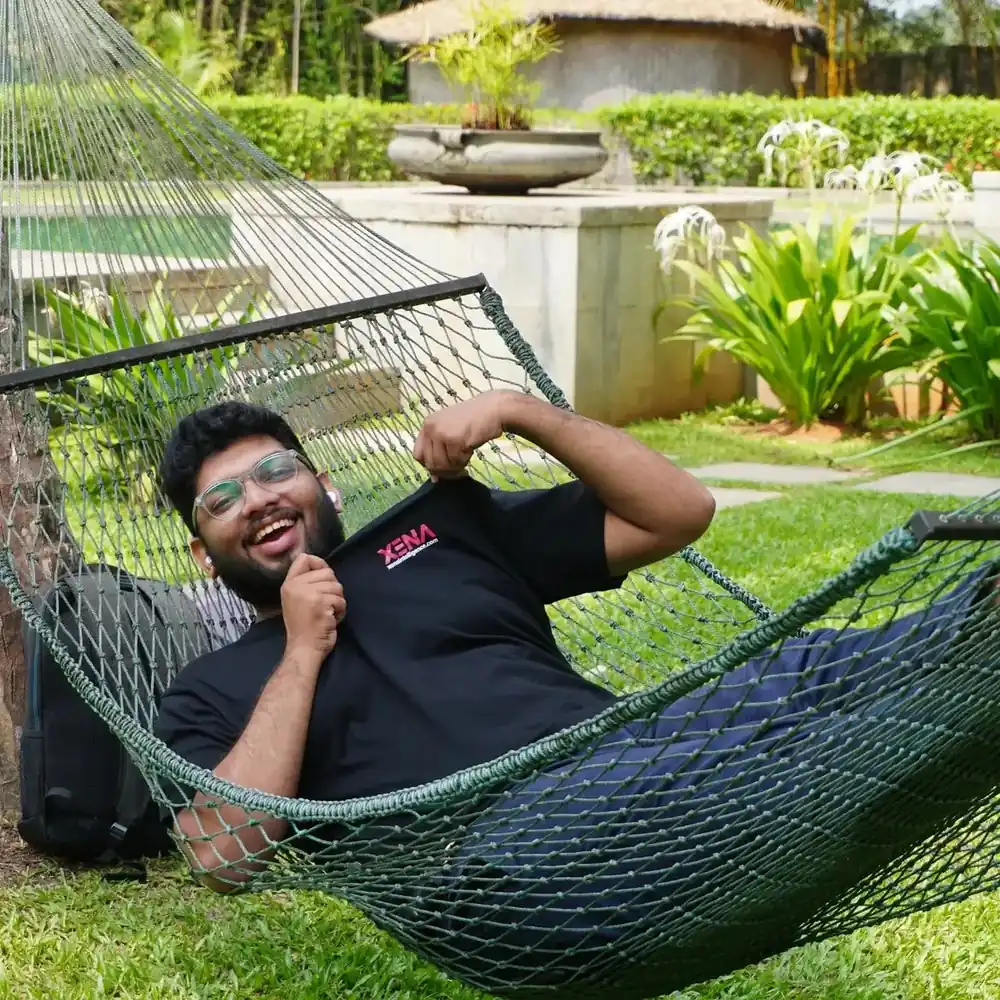
Naseem Shah was in his final year of computer science when he joined Xena. He was one of the most sought-after engineers in his college. Google, Meta and Amazon were all in the picture.
I was also in the picture. Technically.
What I could offer, if I'm honest about it, was an idea, some sketches, and a founder with more conviction than resources. Xena barely had a logo. I don't say that for effect. I mean it more literally than I'd like.
He came in as a part-time product engineer. Part time, because he was still finishing his degree, and because part time was roughly what I could afford to ask for.
I've thought a lot since then about what that decision looked like from his side of the table. I don't know everything he weighed, and I won't pretend to. But I know what the comparison looked like from mine, and I made a chart of it, because that is what I do when I feel something.
What I could offer, compared with big tech, as it felt to me
IllustrativeNot real data. This is how the pitch felt from my side of the table, scored entirely by me, with no input from Google.
If you were advising a talented 21-year-old, you would not tell them to take the right-hand column. I wouldn't either. I'd say get the big name first, learn how real systems run, then go do something risky later.
He did not take my advice, mostly because I never offered it. I was too busy hoping he'd say yes.
Within weeks it felt like years
Some people join a company and spend the first month learning where things are. Naseem spent the first month making things that hadn't existed before.
Within weeks it felt like he had been there for years. I wrote about this on LinkedIn in July and I'll repeat the words I used, because I chose them carefully. Clarity of thought. Craftsmanship. A bias for action I still haven't seen matched.
That last one is the part founders underestimate when they hire. You can teach someone your market. You can explain Amazon advertising until their eyes go glassy (I can, and I will, if you stand near me long enough). You cannot really teach someone to pick up the problem without being asked.
He built our first MVP.
I want to slow down on that sentence, because it reads like a résumé line and it was much bigger than that. The MVP was the first time Xena stopped being something I described and became something people could click. That product got us into Techstars. It generated our early traction. Most of the belief we had in those first years, mine included, was built on code Naseem wrote.
When I pitched in those years, I was standing on his work. Nobody in the audience knew that. I knew it.
Naseem at Xena, as I've described it publicly
- Final year of computer scienceJoins part timeOne of the most sought-after engineers in his college. Google, Meta and Amazon were in the picture. He picked a startup that barely had a logo.
- The first versionBuilds the MVPThe first time Xena was something you could click instead of something I explained.
- 2022TechstarsThat MVP helped get us into Techstars NYC '22.
- TodayLeads product engineeringStill here. Any big tech company would take his call.
- Oct 1, 2026SearchPanelThe engineering team builds SearchPanel, our AI search visibility platform, in record time.
From my July 9 and October 2, 2026 LinkedIn posts. I've left out dates I haven't shared publicly.
From 2 to 20, and what that does to a person
2022 was the year everything happened at once. We went through Techstars. The team went from 2 to 20 in about a year. I posted a photo of all of us at night, each holding a XENA sign, and wrote that I was surrounded by people considerably smarter and more skilled than I am.
People read that as modesty. It was closer to an inventory.
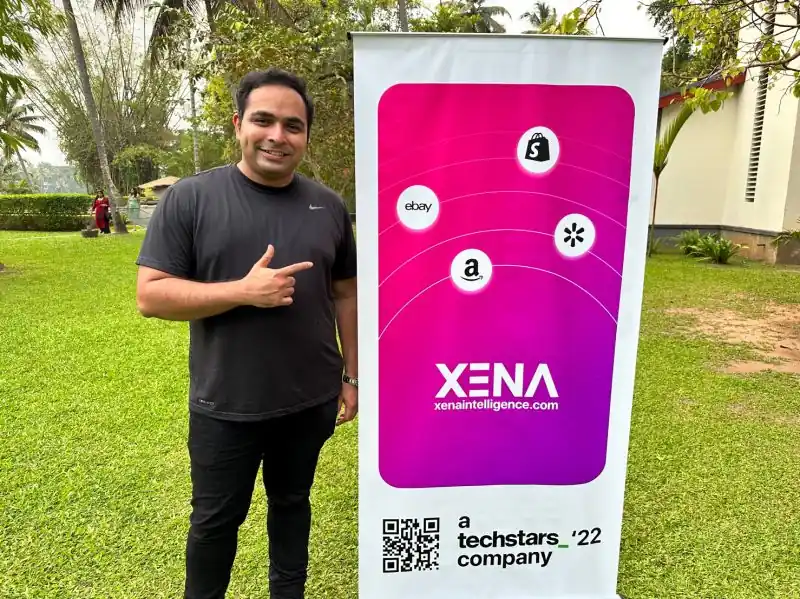
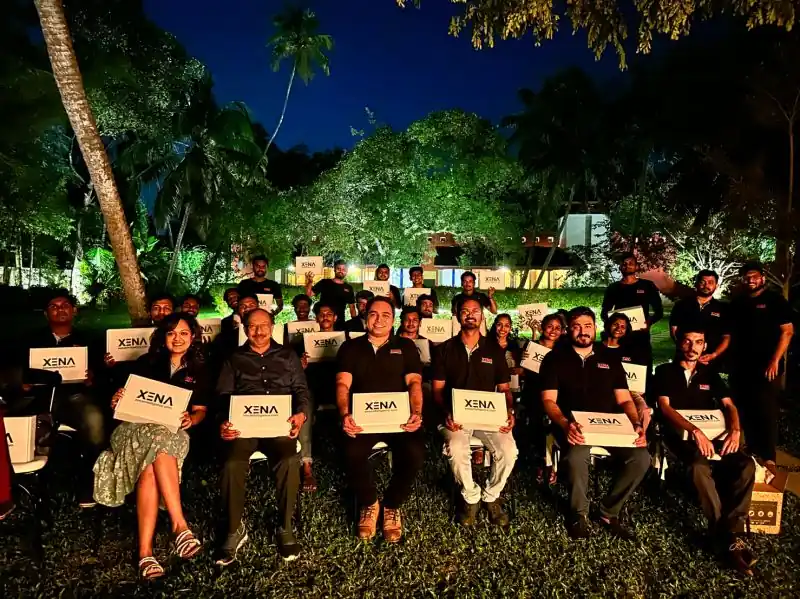
When I wrote our wrap-up for that year, the numbers looked like this.
Xena's 2022 wrap-up, as I posted it in January 2023
From my Jan 10, 2023 LinkedIn post. It ended with "We are only getting started," which I still believe and still say more often than anyone has asked me to.
Here's what a year like that does to an early hire. The job you signed up for disappears. You joined to build a thing. Suddenly you're also explaining the thing to twelve new people, reviewing their work, and fixing what broke while you were explaining it. Some early engineers hate that. It's a reasonable thing to hate.
Naseem grew into it. Today he leads product engineering at Xena.
I had very little to do with that growth beyond staying out of the way, which, for a founder, is a skill that takes longer to learn than it should.
The question nobody could answer
For years, brands asked me the same question every week. "Where do we rank on Amazon?"
Then, last spring, a CPG founder asked me something different. "When someone asks ChatGPT for the best tick remover, do we even show up?"
I didn't have an answer. Nobody did. There was no dashboard for it, no rank tracker, nothing that told a brand when an AI model stopped recommending their product and started recommending a competitor's.
That bothered me enough to build something. When we tested the early version with our own clients, one brand found they were invisible in AI answers for their top keyword while holding the number one spot on Amazon. Two weeks of optimization later, they showed up.
The shelf used to be physical. Then it became a search results page. Now it's an answer.
That became SearchPanel. It tracks how brands show up across ChatGPT, Gemini, Perplexity and Google's AI Overviews. And Naseem has been instrumental in building it.
On October 1, the engineering team shipped SearchPanel in record time. The big players in this space are raising hundreds of millions of dollars to do it. We just built it. I wrote at the time that big companies have process, committees and a guy named Dave who has to sign off on everything, and that I have panic, a healthy amount of constant stress and WiFi.
What I didn't say in that post is the obvious thing. Speed only works when the person at the keyboard already knows what good looks like. You cannot move fast with someone you have to double-check. I don't double-check Naseem. I mostly just ask how it went, and he tells me, and it went fine.
Why he's still here
He could be anywhere right now. Any big tech company would take his call in a heartbeat. I know this, he knows this, and I suspect a few recruiters know it too.
He's still here, because he believes in the problem we're solving. That's how I put it in July, and I still believe it. I'd add one thing from my side. Early people stay when the company keeps handing them bigger problems than the ones they solved last year. The day I start handing Naseem small problems is the day I should worry.
Very few founders talk about how long their early team stays. I understand why. It's an awkward number to brag about, because it isn't fully yours. Ours has stayed. They have evolved, taken ownership and pushed boundaries year after year. That kind of trust gets built slowly, mostly in boring weeks, and it is what produces the breakthroughs people see later.
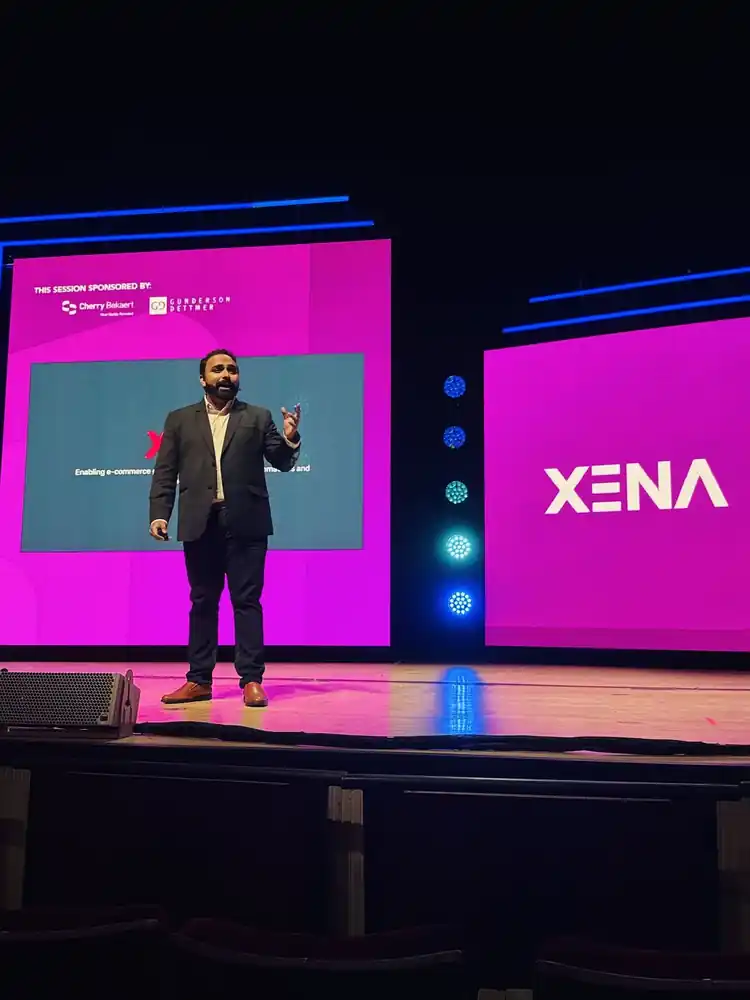
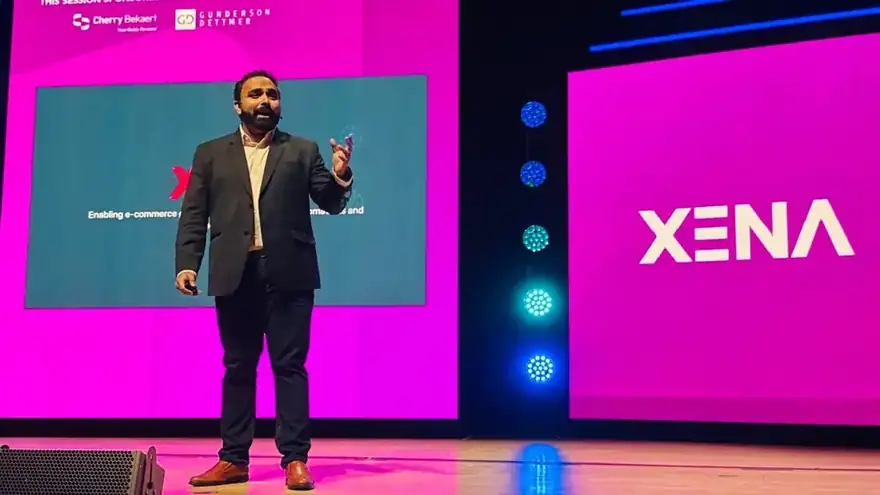
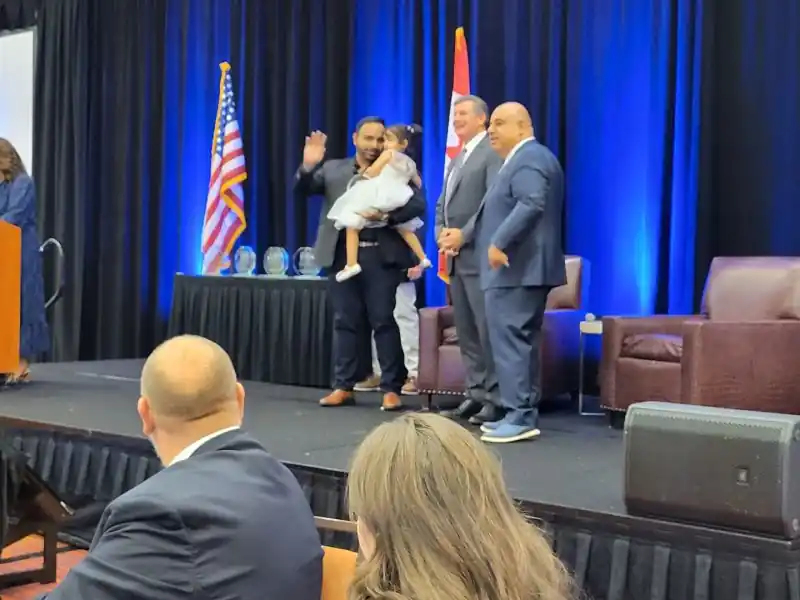
There are eighteen people at Xena now. When I stood on the stage in Atlanta two weeks ago, I was presenting their work. Some of it was built on decisions a final-year student made before he had any good reason to trust me.
Products get the headlines. People like Naseem are the reason they exist.
What I'd tell a founder trying to make a first hire
I won't give you a hiring framework. I didn't have one. I had a company that barely had a logo, and the nerve to ask anyway.
What I'd say is smaller than a framework. When you have nothing to offer, be honest that you have nothing to offer. Show them the sketches. Tell them how much money is in the account, roughly, and watch their face. The people who stay after that conversation are the ones you want, because they've already seen the worst version of the company and decided it was interesting.
Then, if they say yes, spend the next several years trying to deserve it. I'm still working on that part.
If you've been the first hire somewhere, or you're about to try to convince one, I'd like to hear how it went. I write about the unpolished middle of building Xena in my Founder's Diary newsletter (opens in a new tab) on LinkedIn, and the behind-the-scenes version lives on Instagram at @akhilsuresh (opens in a new tab). If you'd rather just talk, my calendar is at meeting.akhilsureshnair.com (opens in a new tab). I promise not to call at 11pm.
With love,
Akhil
Get the next entry. Founder's Diary lands on LinkedIn first. Behind-the-scenes moments go on Instagram.